

By Kristen Caffray, RTA
One of the things I appreciate most about taking transit is the chance it gives you to read a book, catch up on messages, or simply look out the window. And what better time to look out the window than in April, during Earth Month, when everything is in bloom?
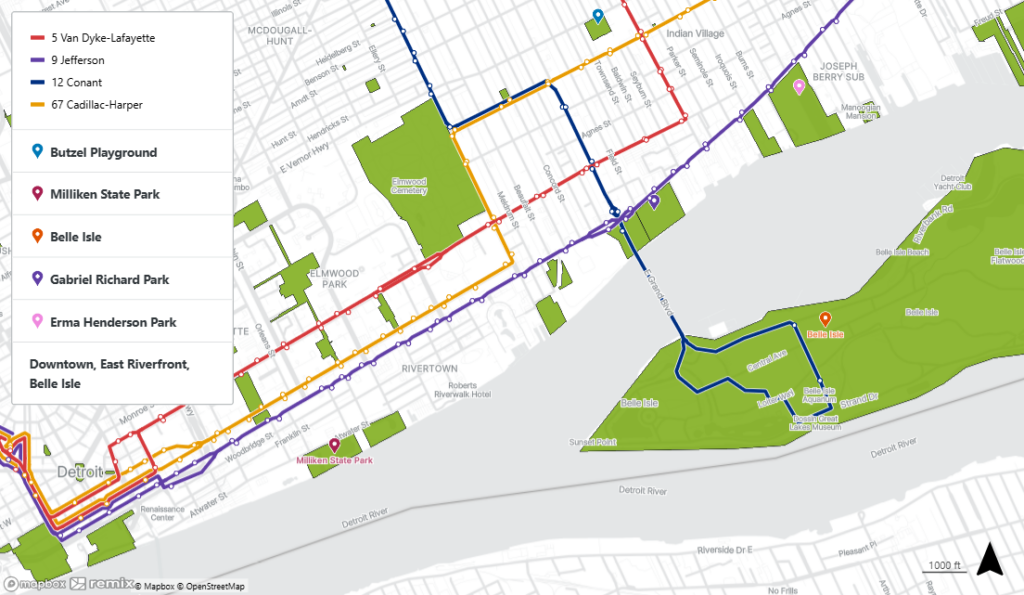
Transit connects so many neighborhoods to parks — in Detroit there’s Palmer Park, Rouge Park, Belle Isle, the Riverwalk, to name a few, not to mention the dozens of smaller parks tucked between blocks. Especially this time of year, that bus window offers a front-row seat to one of the best shows in the city: spring in bloom.
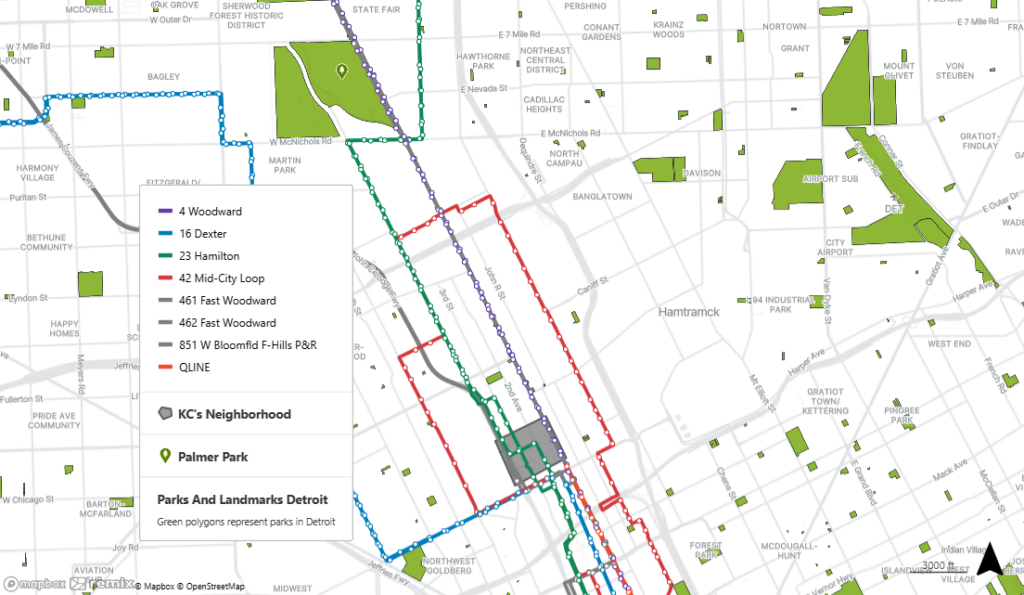
For Earth Month, I planned a visit to Palmer Park. Sorting through route options on the Transit App, I settled on DDOT’s Route 23 for this trip, which navigates up Hamilton Avenue from Detroit’s New Center Neighborhood.
Riding to Palmer Park
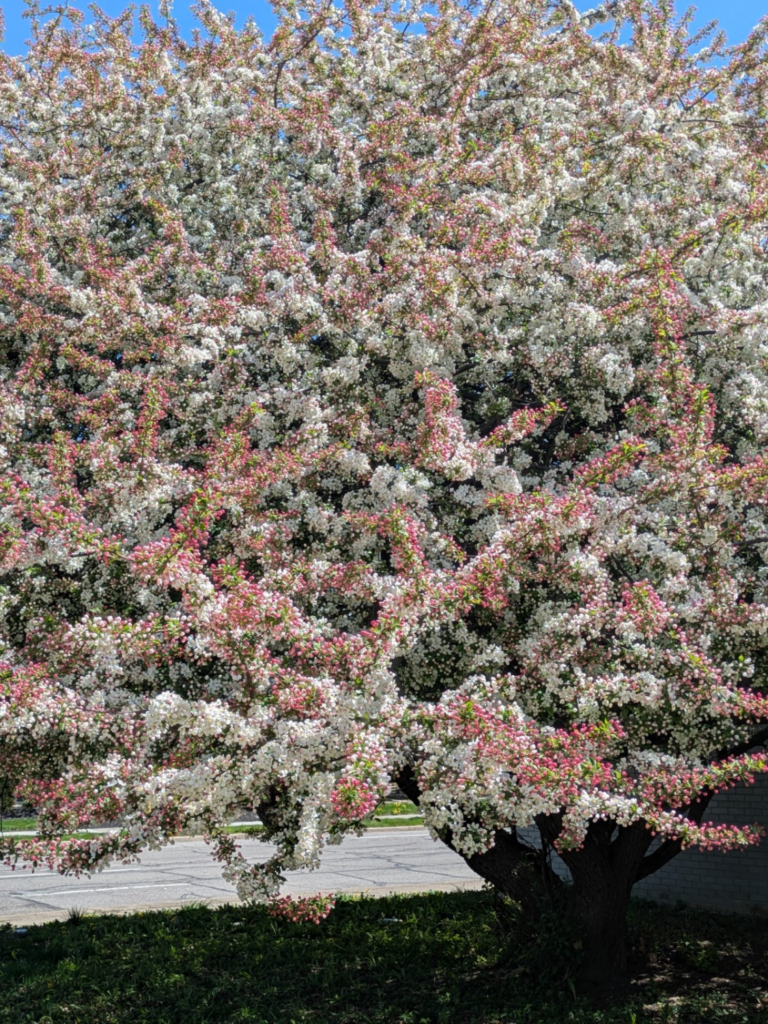
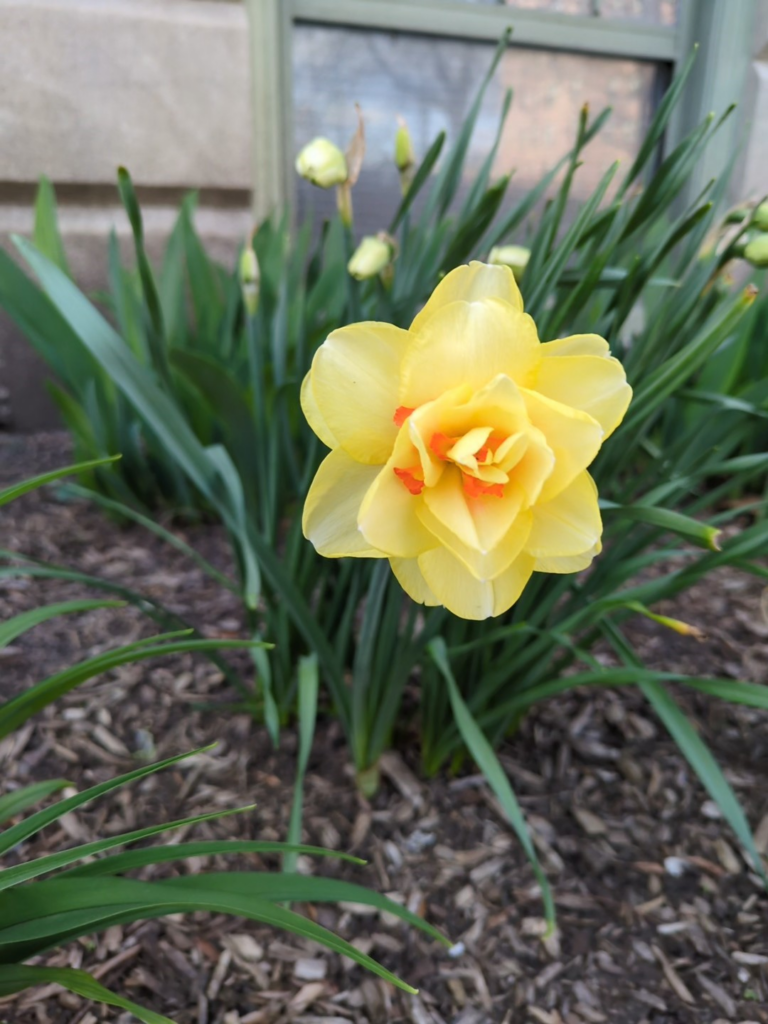
Late April in Detroit has its own rhythms: red maples showing soft bursts of flowers, magnolias opening in pink and white, forsythia lighting up yards with bright yellow. You can spot the famous daffodils that signal spring pushing through sidewalk beds and medians. Oaks and elms are beginning to leaf out, their greens still tender and fresh.
It’s the kind of detail that’s easy to miss when you’re driving, biking, or focused on the road. On the bus, you have time to notice.
Why Transit Matters During Earth Month (and Always!)
Earth Month is the perfect time to reflect on our human connection to nature — how we impact and are impacted by the natural world. You can mark the month by thinking about how transit supports healthy, livable communities today and for future generations.
Cleaner Air, Healthier Communities, Happy Bees!
Air quality and health outcomes are correlated. Fewer cars on the road means fewer pollutants like carbon monoxide and particulate matter. In cities like Detroit, where air quality directly affects health outcomes, that’s significant. When you ride the bus, you are helping reduce pollutants that contribute to asthma and other respiratory conditions. If you are curious about air quality in parts of Southeast Michigan, check out the JustAir Dashboard.
Another type of pollution that transit helps to reduce is noise pollution. This doesn’t just create quieter communities; it also supports urban wildlife like birds, bees, and other pollinators.
Did you know that Detroit is a “Bee City?” Detroit joined the Bee City USA initiative last year, committing to protecting pollinator habitats and promoting conservation efforts citywide. As we reduce noise, we also create more welcoming environments for bees, butterflies and other essential species that help our natural and built world bloom.
Transit also reduces the need for large parking lots and wide roads near green spaces. Instead of dedicating land to pavement, we can keep more space for trees, trails, playgrounds and gardens.
What You Notice When You’re Not Behind the Wheel
Passing by scenes from the bus window remind me that parks aren’t the only green spaces in Detroit. Front yards, medians, street trees, and lots full of wildflowers also play a role in the city’s ecology.
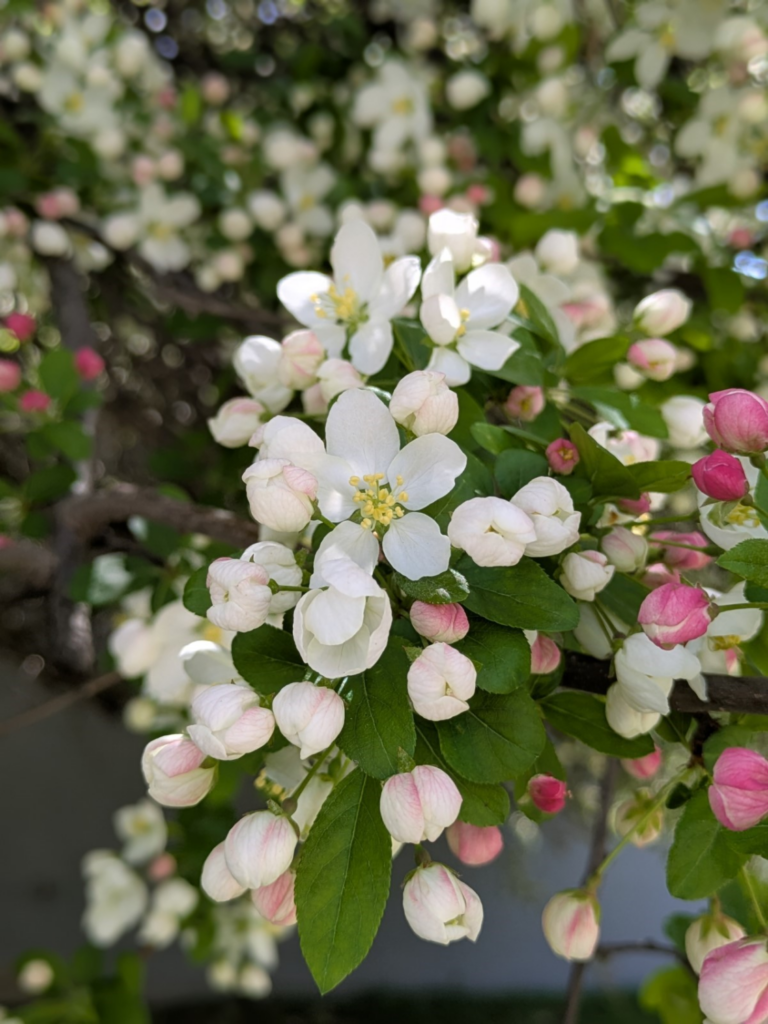
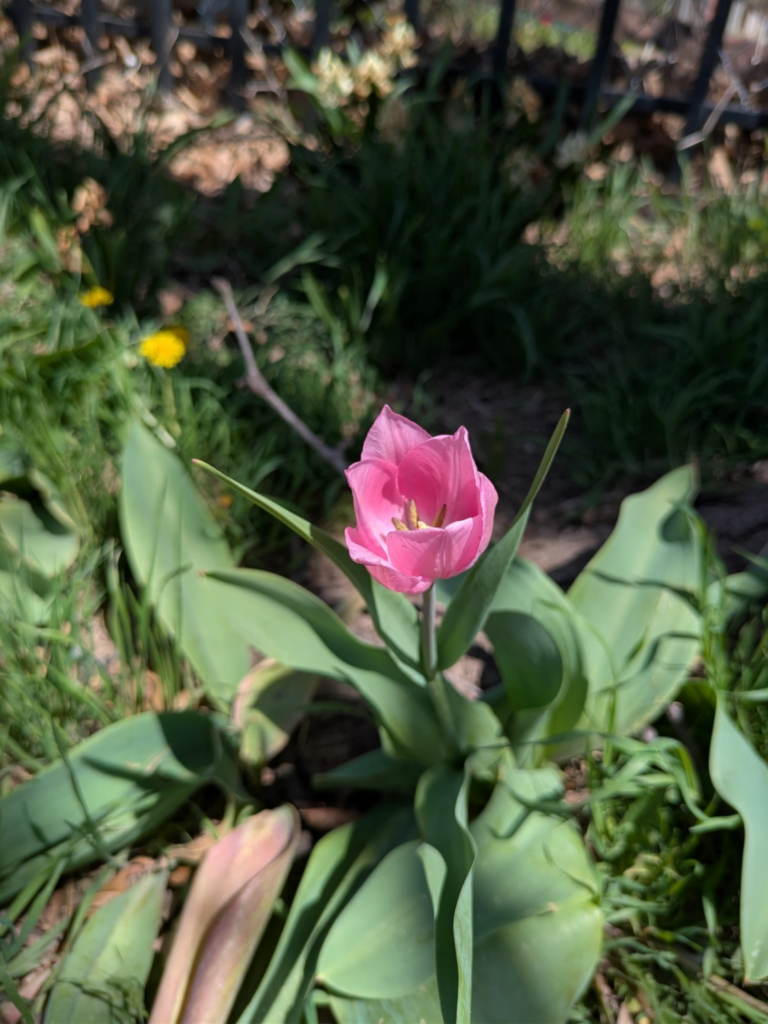
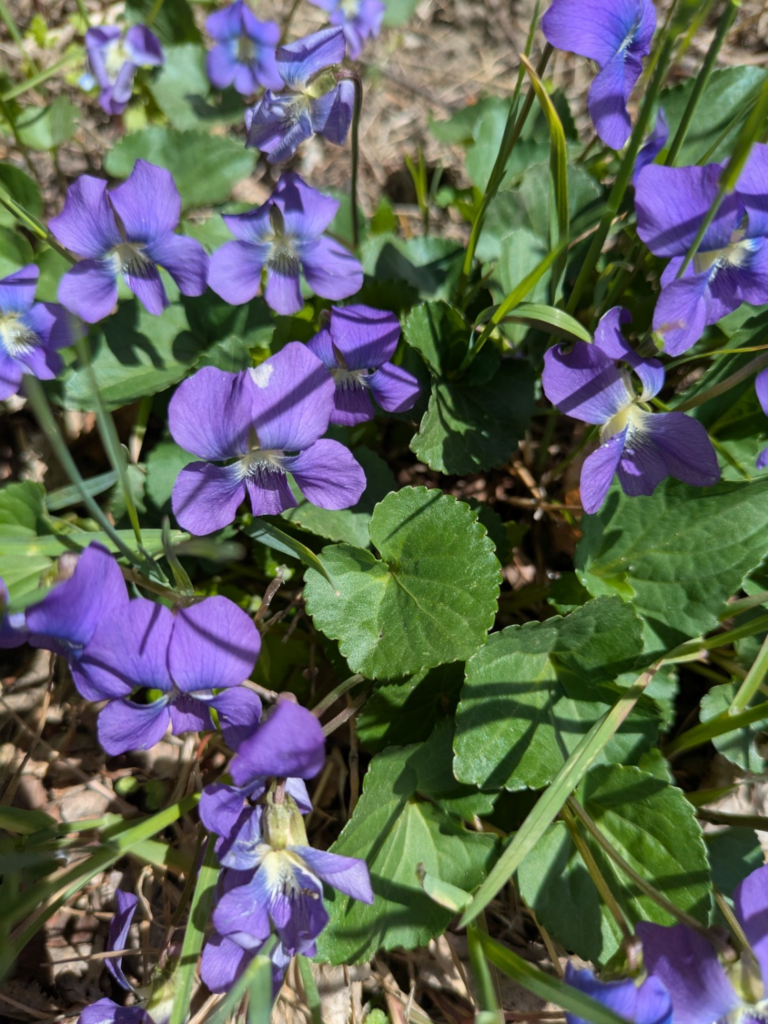
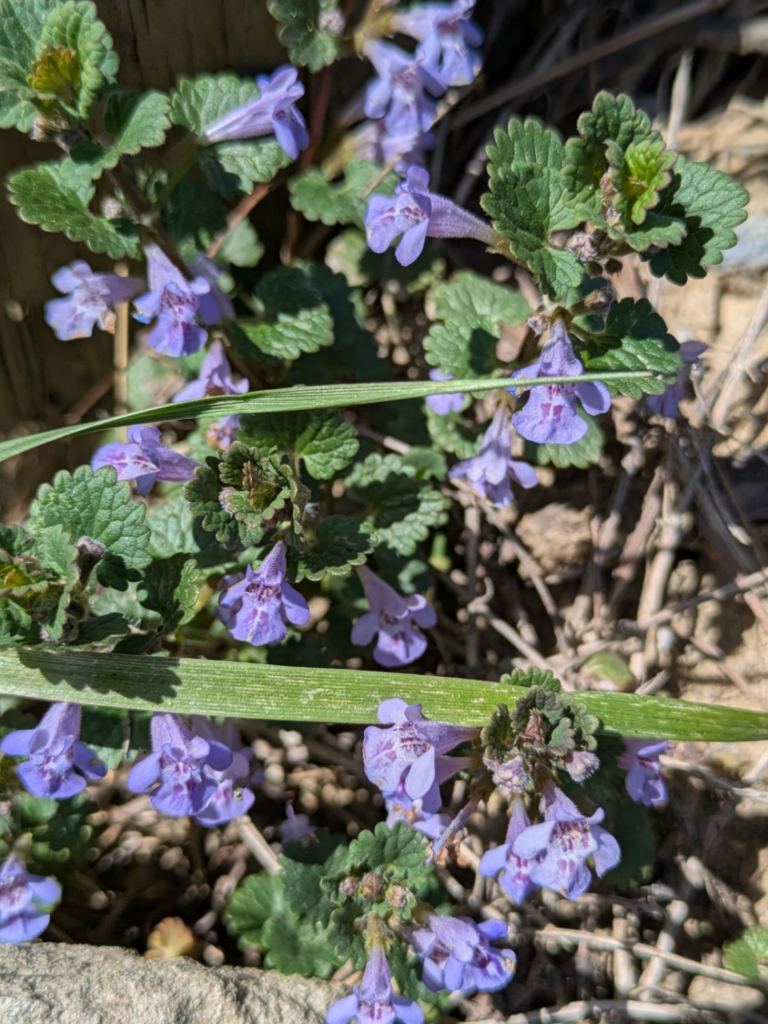
It’s easier to enjoy nature when you can put a name to what you see. So to close us out, here are some of the blooms you might spot, either out of the bus window or at the park itself.
Kristin Caffray, or KC, is a Senior Planning Strategest at the RTA with expertise in transit, climate policy, and energy systems. Her work explores equity planning and energy democracy, and she has a deep commitment to public space, civic engagement, and sustainable urban mobility.
The RTA’s mission is to create new and better ways to move and connect people.
 English
  Spanish
  Arabic
  Chinese